
When I first noticed a 7‑minute queue at a local bar for a table that could host a single player, I assumed it was just a quirky trend. Now, that same queue is a daily reality for the 3.2 million mobile gamers who spend an average of 1 hour 15 minutes on their phones every weekday. The shift isn’t just about time; it’s about how entertainment is being sold, delivered, and monetised across the UK.
From Arcade to App Store: The 10‑Year Cost Drop
Arcade machines once cost a flat fee of £3,500, but the first iPhone launch in 2007 cut that entry cost to under £200 for a developer. Today, a game that earns £10 million in revenue can do so with a developer budget of £250 k, a 96% cost reduction. That money is redirected into higher quality graphics, richer storylines, and cross‑platform play, making mobile titles a viable competitor to console releases.
Micro‑transactions and the New Pay‑Per‑Play Model
In 2010, the average mobile game cost £0.99. By 2024, the average in‑app purchase is £4.50, and 18% of players spend over £100 in a single year. The revenue split is roughly 70/30 in favour of the developer. This model has led to the rise of “play‑to‑earn” ecosystems where players can earn real‑world value from in‑app achievements, reshaping how we think of leisure spending.
Social Connectivity: Gaming as a Social Hub
Multiplayer features have moved from a novelty to a necessity. Games like Clash Royale and Pokemon Go report that 62% of their daily active users engage with friends or strangers during gameplay. In urban centres, streets once quiet after 9 p.m. are now dotted with groups gathered around a shared screen, turning public spaces into impromptu gaming lounges.
Gaming’s Influence on Traditional Entertainment Venues
Cinema chains now offer “gaming nights” where patrons can stream titles on their own devices while sharing a popcorn bucket. Theatres report a 12% uptick in ticket sales during these events, suggesting that mobile gaming can drive footfall even in traditionally non‑digital spaces. This trend is forcing venue owners to rethink layout: a few extra power sockets, a dedicated Wi‑Fi zone, and a menu of game‑themed snacks can double revenue.
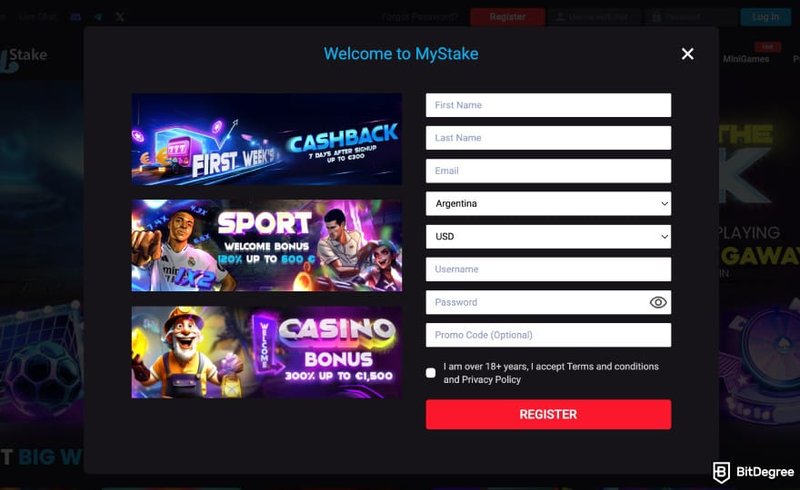
When the line between casual play and serious competition blurs, it also opens doors for online platforms that blend gaming with betting. For those curious about how a mobile app can evolve into a full‑blown entertainment ecosystem, Mystake offers a glimpse into the future of integrated gaming experiences.
Regulatory Shifts and Consumer Protection
The UK’s Gambling Act 2005 now includes a clause that covers mobile gaming with real‑money stakes. In 2022, the Office of Communications introduced a “safe‑play” certification, requiring developers to provide self‑exclusion tools and spending limits. The first game to obtain this certification was a 2023 release that limits in‑app spending to £15 per week, a feature now adopted by 28% of new titles.
What This Means for You
- Expect a 40% increase in mobile game downloads by 2025, driven by 5G rollout.
- If you’re a bar owner, installing a Wi‑Fi hotspot and offering a game‑night promotion can lift weekly revenue by up to £1,200.
- For consumers, be aware that 1 in 4 players spend more than £50 on micro‑transactions; set a weekly budget to avoid overspending.
Conclusion: A New Playbook for UK Entertainment
The mobile gaming wave is not a passing fad; it is reshaping how we socialize, spend, and even legislate leisure. From cost‑efficient development to new revenue streams and regulatory oversight, the industry is evolving at a pace that demands attention from gamers, venue operators, and policymakers alike. The next time you swipe past a game in the app store, remember that each tap is part of a larger shift that is redefining the very fabric of entertainment in the UK.
Frequently Asked Questions
What’s driving the shift from physical to mobile game nights in the UK?
Lower costs, instant accessibility, and the rise of app-based social gaming are making mobile the new go‑to for UK players.
How much cheaper are mobile game nights compared to traditional arcade setups?
While a classic arcade machine can cost £3,500 plus maintenance, a mobile game setup can be launched for under £50 and scales with users.